


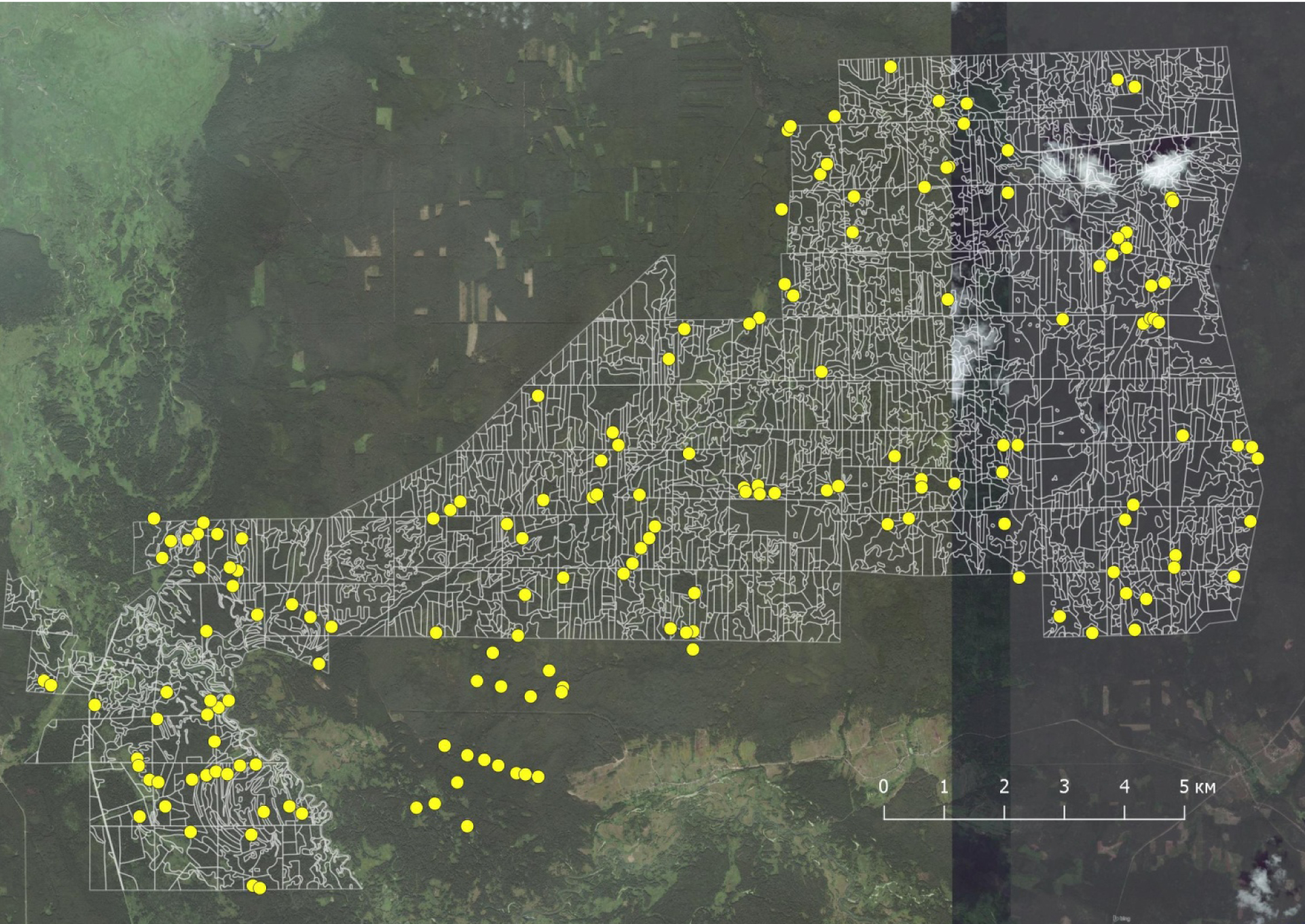
- Fig. 1. Study area – Nerussa-Desna woodland and the Bryansk forest nature reserve.
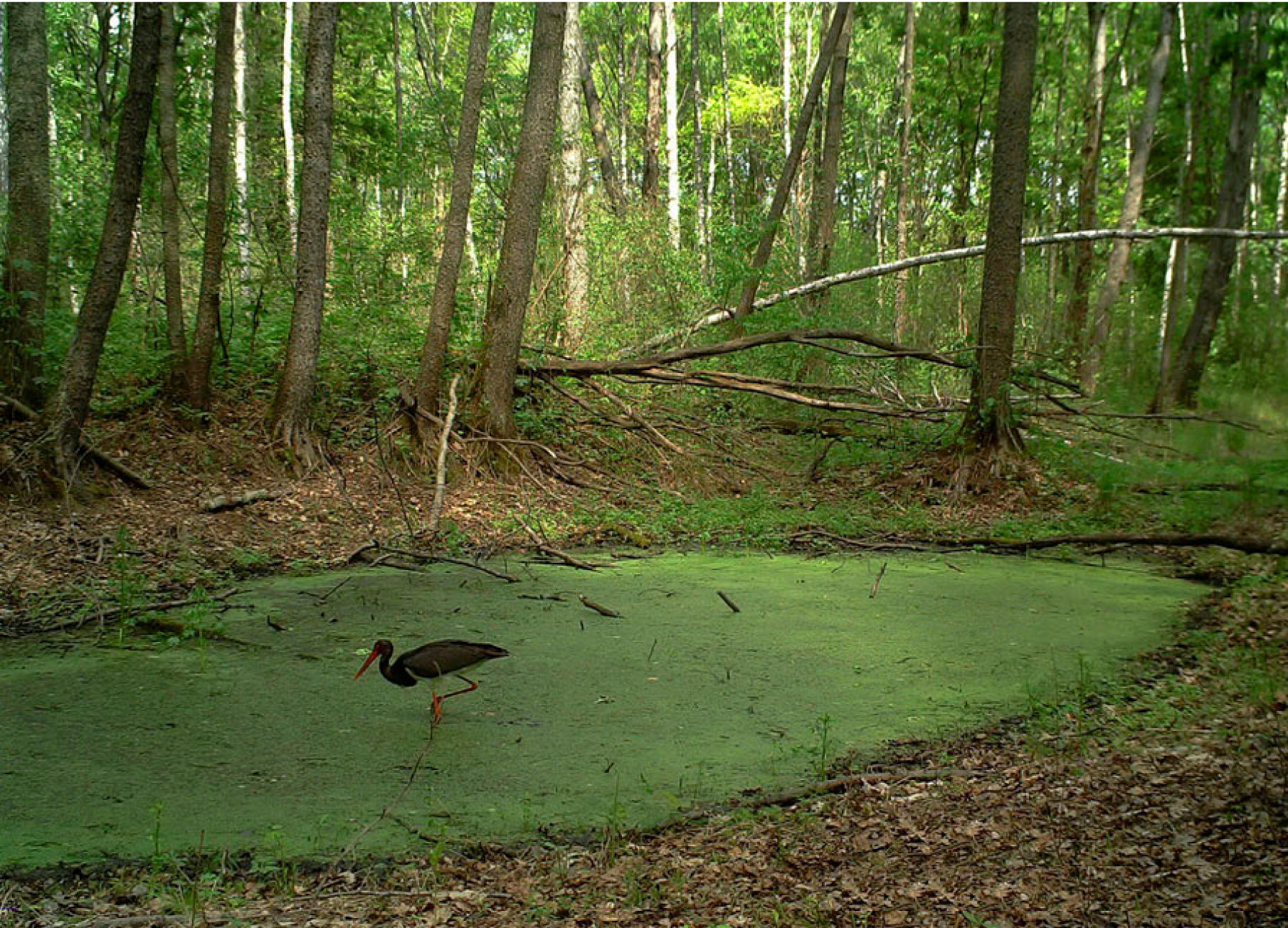
- Fig. 2. The black stork is hunting in a small swamp inside the forest.
- Fig. 3. Density of nests of birds of prey and black stork.
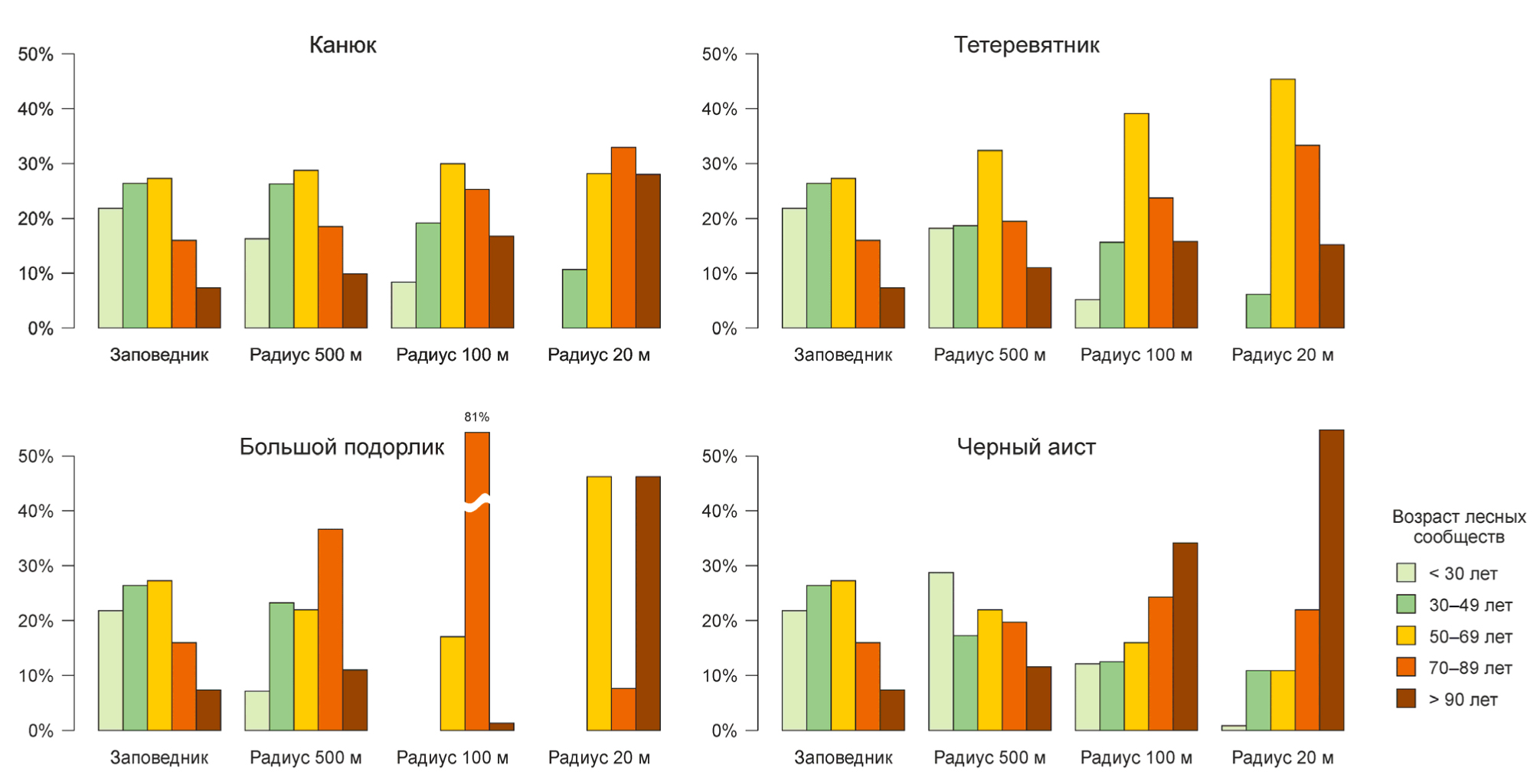
- Fig. 4. Age composition of forest communities in the reserve and on the nesting site of birds of prey.
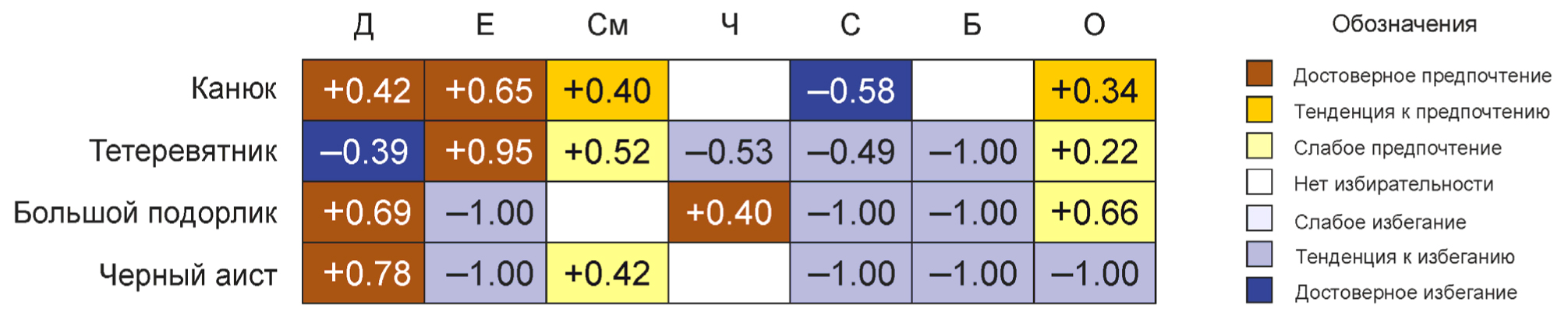
- Fig. 5. Selectivity of birds of prey and black stork in relation to the biotopic composition of nesting birds.
- Fig. 6. Parcel structure of the forest community on the nesting site of the great spotted eagle.
- Fig. 7. Peculiarities of placing the nests of birds of prey and black stork in the forest community.
- Fig. 8. Black stork is hunting on the beaver dam.
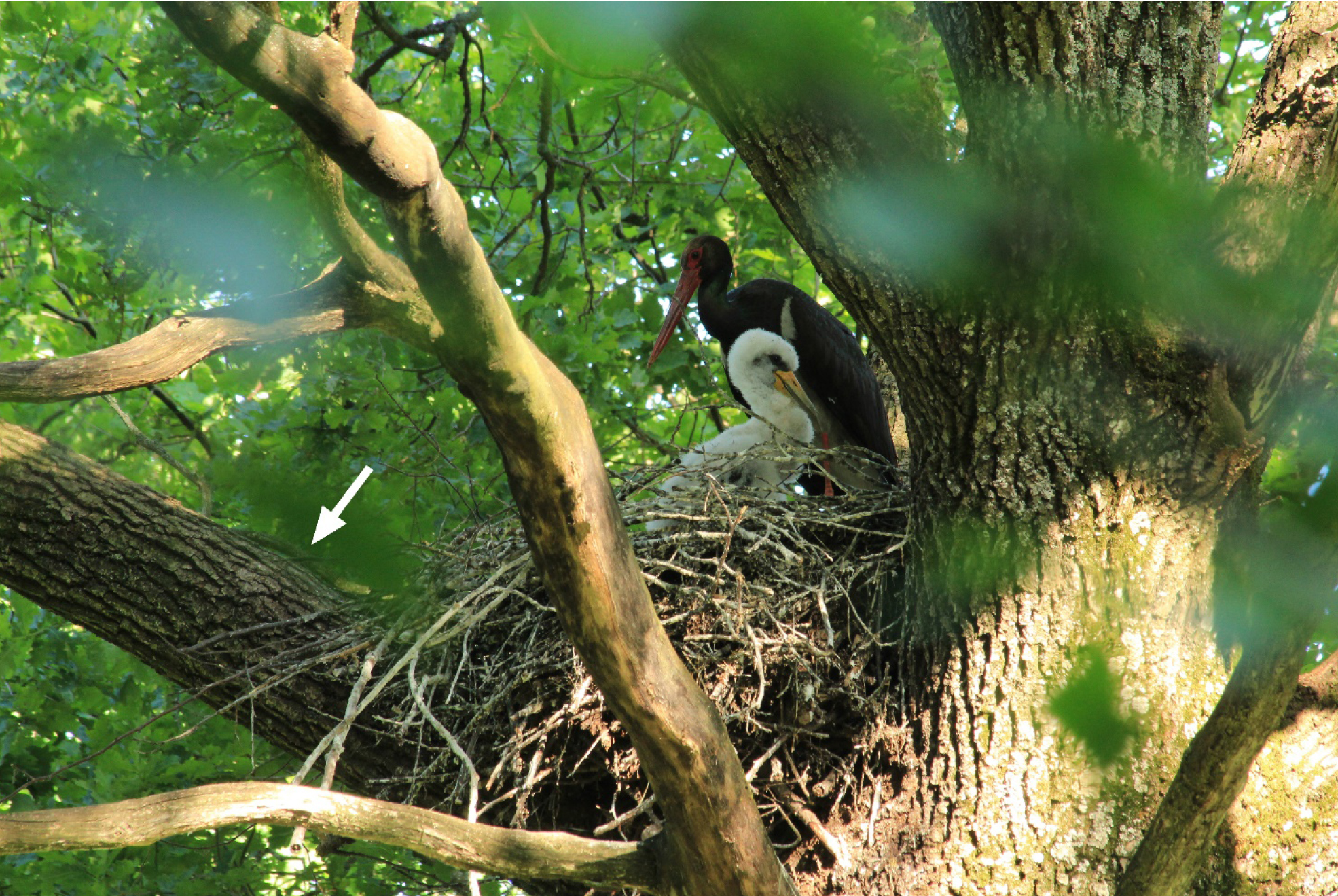
- Fig. 9. Black stork’s nest on an old generative oak tree.
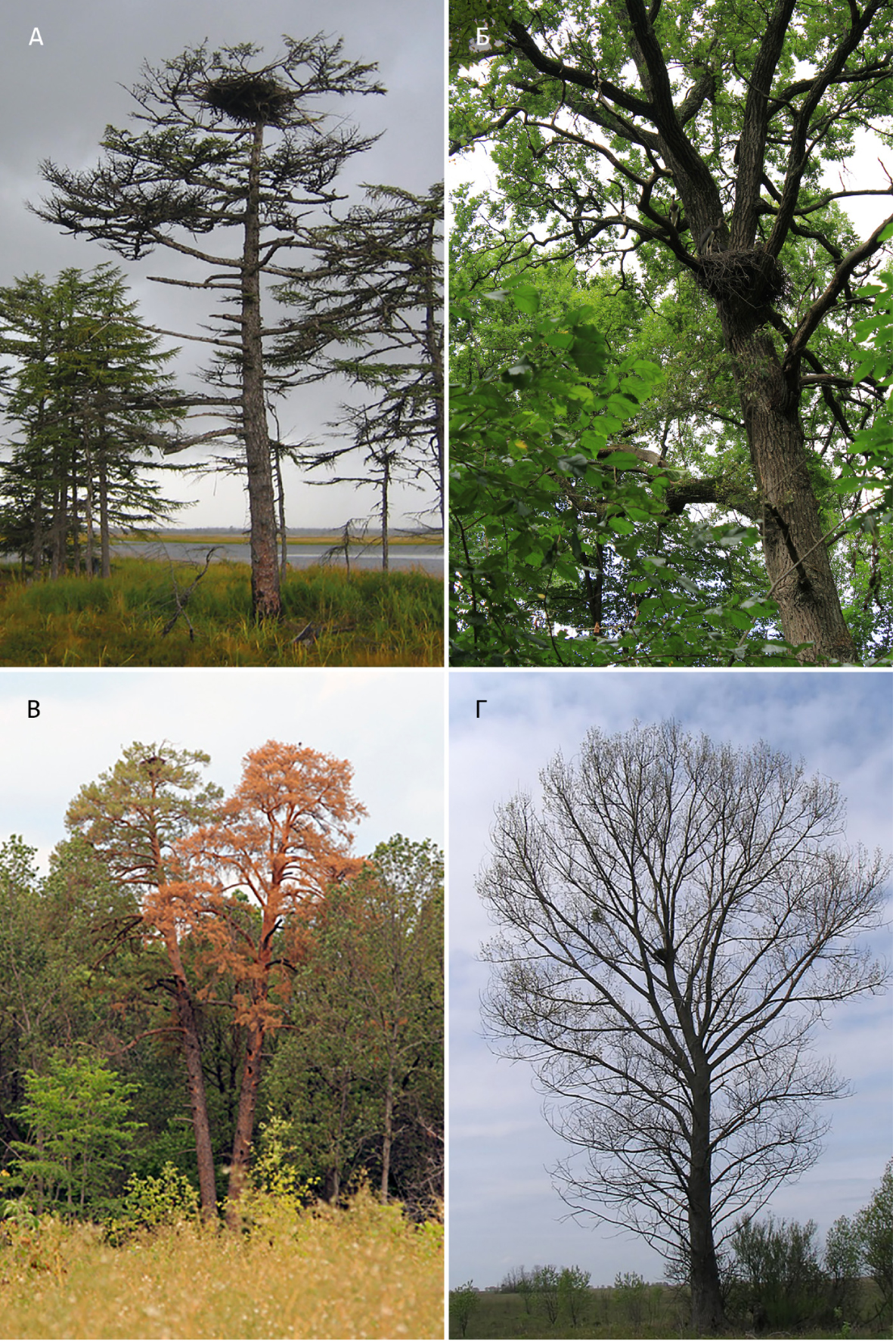
- Fig. 10. Nesting trees of birds of prey.
- Table 1. The location of the nests of birds of prey and stork-like birds to the landscapes and localities of the Bryansk Forest nature reserve.
- Table 2. Selectivity of birds of prey and black stork in relation to the forest cover of the landscape.
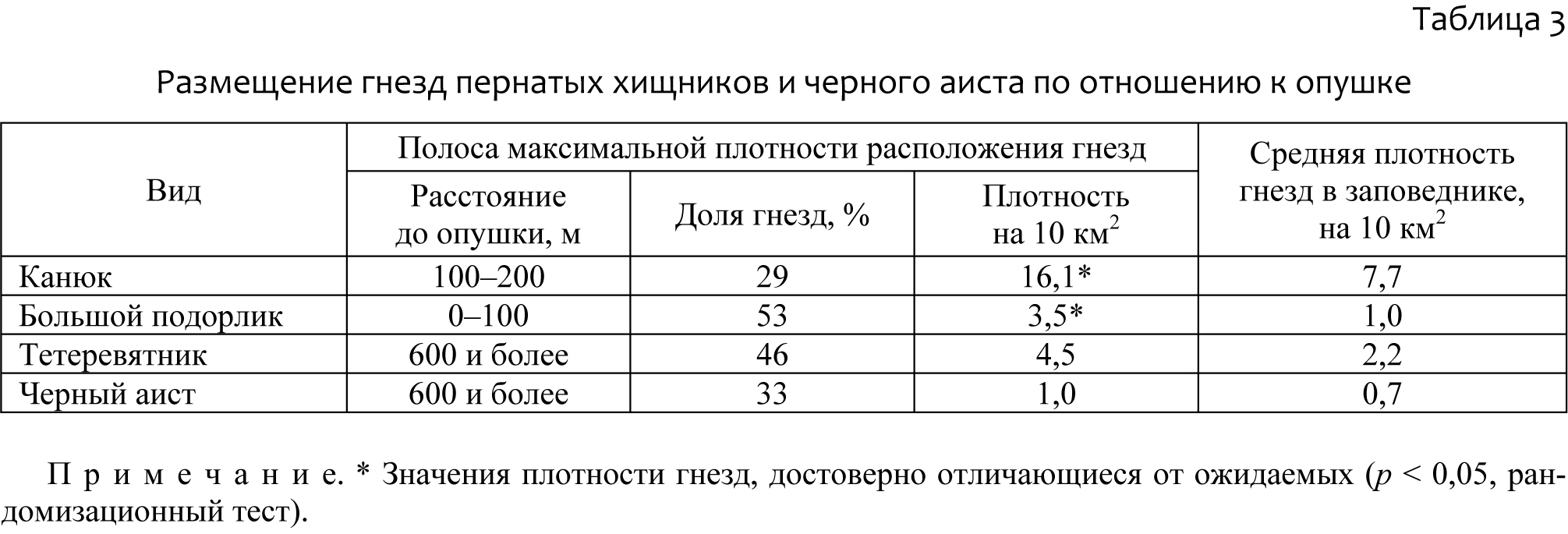
- Table 3. Placement of nests of birds of prey and black stork in relation to the forest edge.
- Table 4. Selectivity of birds of prey and black stork in relation to different species of nesting trees (values of the Ivlev–Jacobs index).
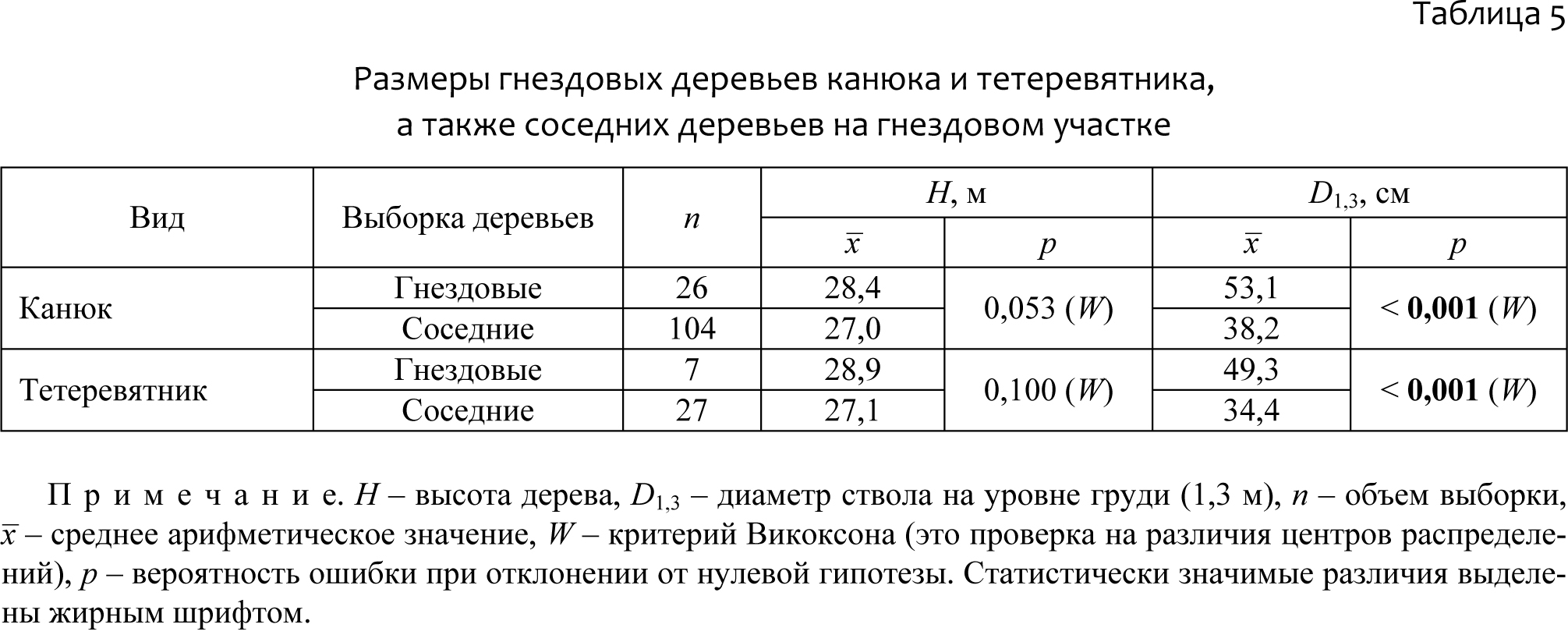
- Table 5. Sizes of nesting trees of buzzard and goshawk, as well as of neighboring trees in the nesting area.
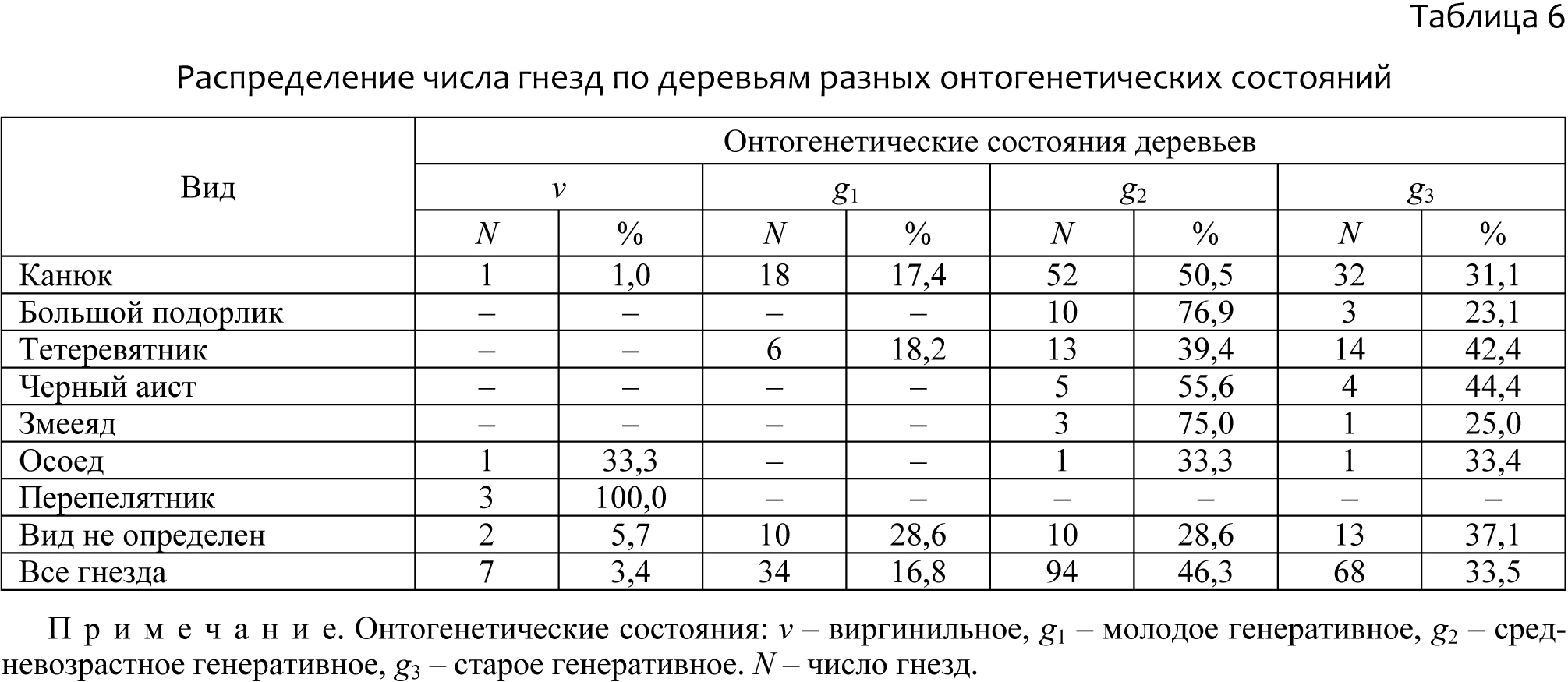
- Table 6. Distribution of the number of nests among trees of different ontogenetic states.






Copyright © 2016 RJEE. THE ONLINE EDITION IS REGISTERED IN THE FEDERAL SERVICE FOR SUPERVISION OF COMMUNICATIONS, INFORMATION TECHNOLOGY, AND MASS MEDIA. REGISTRATION CERTIFICATE № FS 77 – 62950 from 04.09.2015.